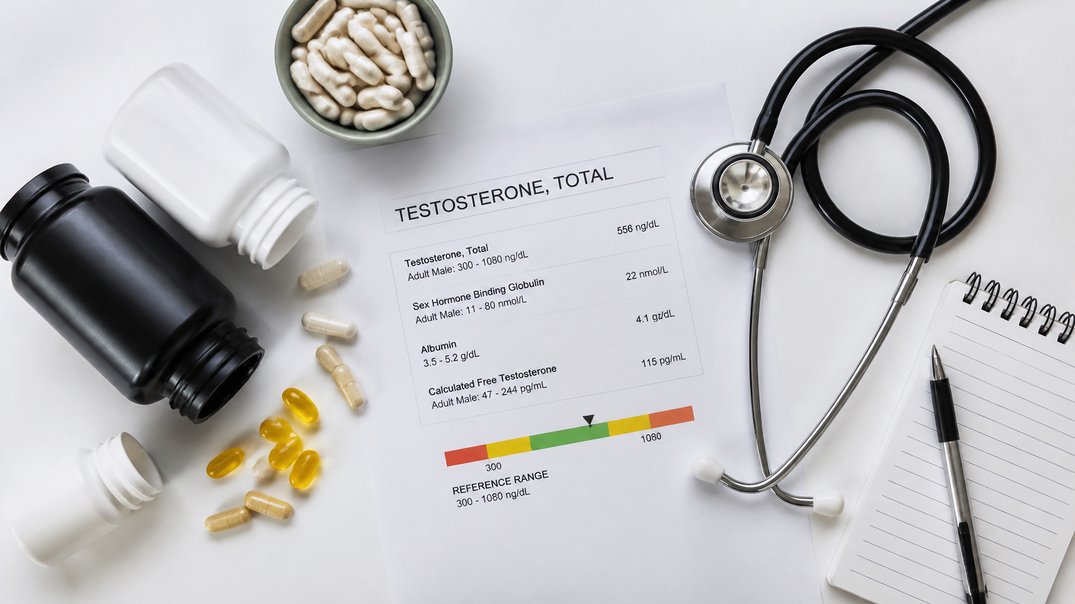
Morning, generally before 10 a.m., is the standard recommended time for testosterone testing, since levels naturally peak in the early morning and decline over the course of the day. There’s a genuinely useful nuance here, though: research shows this timing matters considerably less for men over 45 than it does for younger men.
Why Mornings Are The Default Recommendation
Testosterone follows a daily (circadian) rhythm, typically peaking between about 5:30 and 8 a.m. and reaching its lowest point roughly 12 hours later in the evening. In men in their 30s and 40s, levels measured in the afternoon can run 20 to 25% lower than morning levels measured in the same person (Journal of Clinical Endocrinology and Metabolism, 2009). This is exactly why guidelines have long recommended restricting testosterone testing to the morning hours.
The Nuance: This Matters Less As Men Age
The same body of research found that this daily swing shrinks significantly with age, down to roughly a 10% difference by age 70. A more recent retrospective study of 506 men with a median age of 65 confirmed this pattern in a real clinical setting: the majority of men showed no significant difference between morning and afternoon testosterone levels, and age was one of the factors associated with a smaller afternoon decline (Novaes et al., 2024, Journal of Sexual Medicine).
A separate study specifically comparing testosterone drawn before and after 9 a.m. found a large, significant drop in men under 45, but no meaningful difference in men 45 and older, leading researchers to suggest that afternoon testing (before about 2 p.m.) is acceptable for this older group.
Why This Distinction Is Actually Useful
For a younger man, testing in the afternoon could produce a falsely low result that doesn’t reflect his true morning peak, potentially leading to an inaccurate diagnosis of low testosterone. For an older man, that risk is much smaller, since his levels don’t swing nearly as much throughout the day. Knowing this can save an older patient an unnecessary early-morning appointment, while still protecting younger men from a misleading result.
What This Means Practically
If you’re under 45, it’s worth making the effort to get tested before 10 a.m. to get an accurate read on your levels. If you’re 45 or older, testing before roughly 2 p.m. is reasonable based on current research, though checking with your doctor’s specific lab protocol is still a good idea, since practices can vary.
The Bottom Line
Morning testing remains the standard, safest default for testosterone, especially for younger men whose levels fluctuate the most throughout the day. For men 45 and older, the science suggests the timing window can reasonably be relaxed, since the daily swing in testosterone shrinks substantially with age.
Either way, it’s worth telling your doctor exactly when your blood was drawn, since that single detail can meaningfully change how a borderline result should be interpreted, particularly for anyone under 45.
Frequently Asked Questions
What time is best for testosterone testing?
Before 10 a.m. is the traditional standard, based on when testosterone naturally peaks.
Does timing matter if I’m over 45?
Research suggests it matters much less; testing before about 2 p.m. is considered acceptable for this age group.
Why did my afternoon test come back lower than expected?
If you’re under 45, this may reflect the normal daily decline in testosterone rather than a true deficiency; a morning retest can clarify this.
Should I mention the time of my last test to my doctor?
Yes, especially if you’re younger than 45, since the time of day can meaningfully affect interpretation of your result.